

Lyft & Uber Accident Lawyer in Arizona
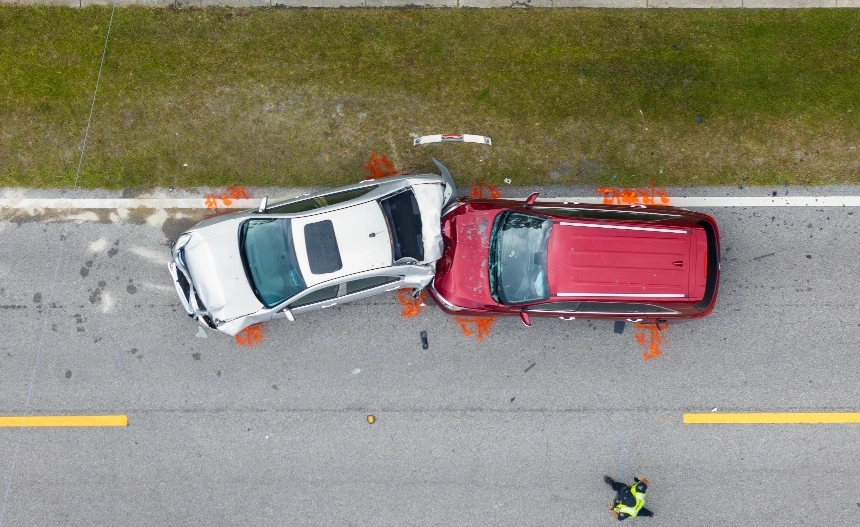
Rideshare services such as Uber and Lyft have become a major part of daily transportation throughout Arizona. Residents, tourists, commuters, students, and business travelers regularly rely on rideshare drivers for transportation across metropolitan areas including Phoenix, Tucson, Scottsdale, Mesa, Chandler, Glendale, and Tempe. While rideshare platforms offer convenience and accessibility, accidents involving Uber and Lyft vehicles often create complicated legal and insurance issues for injured passengers, drivers, pedestrians, bicyclists, and occupants of other vehicles.
Rideshare accident cases are frequently more complex than ordinary car accident claims because multiple insurance policies may apply depending on the rideshare driver’s status at the time of the collision. Determining whether the driver was logged into the app, waiting for a ride request, driving to pick up a passenger, or actively transporting a rider can significantly affect available insurance coverage and liability issues.
Victims injured in Uber and Lyft accidents often face serious injuries requiring emergency medical treatment, surgeries, rehabilitation, and long-term care. At the same time, insurance companies may dispute coverage responsibility, attempt to shift blame, minimize injuries, or delay the claims process. These challenges can create substantial stress and uncertainty for individuals already coping with painful recovery and financial hardship.
Arizona’s growing population, tourism industry, nightlife activity, airport traffic, university communities, and heavy commuter congestion contribute to significant rideshare usage throughout the state. Rideshare drivers frequently operate in dense traffic conditions, entertainment districts, airports, hotel zones, downtown corridors, and event venues where distracted driving, fatigue, aggressive traffic patterns, and constant app usage may increase accident risks.
Many rideshare accidents occur because drivers are distracted by navigation systems, rideshare apps, passenger communications, or traffic congestion while attempting to complete rides quickly. In some cases, Uber and Lyft drivers work extended hours or drive while fatigued in an effort to maximize earnings, increasing the risk of serious collisions.
At The Personal Injury Pros, we help rideshare accident victims throughout Arizona pursue compensation after serious Uber and Lyft crashes. Our legal team investigates rideshare accident claims thoroughly, analyzes applicable insurance coverage, preserves critical evidence, and works to recover compensation for medical expenses, lost wages, pain and suffering, and future financial losses.
Why Rideshare Accident Cases Are More Complicated
Uber and Lyft accident claims often involve layered insurance structures and multiple potentially responsible parties.
Unlike ordinary vehicle collisions, rideshare accident cases may involve:
- Personal auto insurance policies
- Uber or Lyft commercial coverage
- Third-party driver insurance
- Passenger injury claims
- Comparative negligence disputes
- App activity records
- Digital trip data
- Multiple injured parties
Determining which insurance policy applies often depends on the rideshare driver’s status at the exact time of the collision.
Rideshare Driver Status and Insurance Coverage
Insurance coverage in Uber and Lyft accident cases frequently changes depending on the driver’s activity within the rideshare app.
Driver Logged Out of the App
If the rideshare driver was not logged into the app, the driver’s personal insurance policy may apply.
Driver Logged In and Waiting for a Ride Request
When the driver is available for rides but has not yet accepted a trip, limited rideshare company coverage may apply.
Driver En Route to Pick Up a Passenger
Once a ride request is accepted, higher rideshare insurance coverage may become available.
Driver Transporting an Active Passenger
During an active trip, larger commercial coverage policies may apply to injuries suffered by passengers and others involved in the collision.
These layered insurance issues often create disputes between insurance companies attempting to avoid financial responsibility.
Common Causes of Uber and Lyft Accidents in Arizona
Many rideshare accidents throughout Arizona occur because of driver negligence and operational distractions.
Distracted Driving
Rideshare drivers frequently use navigation systems, rideshare apps, passenger messaging systems, and mobile devices while driving.
Fatigued Driving
Some drivers work long hours or operate multiple rideshare and delivery apps simultaneously, increasing fatigue risks.
Speeding
Drivers attempting to complete more rides quickly may exceed safe speeds or drive aggressively.
Unsafe Lane Changes
Frequent pickups, drop-offs, and route adjustments may contribute to dangerous lane changes and sudden maneuvers.
Failure to Yield
Rideshare drivers navigating unfamiliar areas may make unsafe turns or fail to yield properly at intersections.
Aggressive Urban Traffic Conditions
Heavy traffic congestion and rideshare competition in busy metropolitan areas may increase accident risks.
Impaired Driving
Although less common, some rideshare accidents still involve alcohol or drug impairment.
Dangerous Pickup and Drop-Off Locations
Passengers entering or exiting vehicles in unsafe traffic areas may face increased injury risks.
High-Risk Areas for Rideshare Accidents in Arizona
Certain areas throughout Arizona experience especially heavy rideshare activity and increased accident exposure.
Airport Traffic Zones
Airports generate substantial rideshare congestion involving frequent pickups and drop-offs.
Downtown Entertainment Districts
Nightlife areas often involve impaired drivers, heavy pedestrian traffic, and congested roadways.
Tourist Destinations
Hotels, resorts, convention centers, and recreational areas frequently involve unfamiliar drivers and heavy rideshare demand.
University Areas
College campuses and surrounding nightlife districts often generate substantial rideshare traffic.
Major Event Venues
Sporting events, concerts, festivals, and entertainment venues frequently create dangerous traffic conditions.
Urban Congestion Corridors
Dense commuter traffic throughout Phoenix and other metropolitan areas increases rideshare accident risks.
Types of Uber and Lyft Accident Cases
Rideshare accident claims may involve many different injury scenarios and liability issues.
Passenger Injury Claims
Passengers injured while riding in an Uber or Lyft vehicle may pursue compensation after a collision.
Third-Party Driver Claims
Occupants of other vehicles may suffer injuries caused by negligent rideshare drivers.
Pedestrian and Bicycle Accidents
Uber and Lyft drivers may strike pedestrians or cyclists while distracted or making sudden stops.
Multi-Vehicle Rideshare Accidents
Chain-reaction collisions involving multiple vehicles often create complicated insurance disputes.
Rear-End Rideshare Accidents
Frequent stopping and distracted driving contribute to rear-end collisions involving rideshare vehicles.
Intersection Crashes
Rideshare drivers relying heavily on navigation systems may make unsafe turns or fail to yield properly.
Hit-and-Run Rideshare Accidents
Some rideshare drivers may flee the scene after causing a serious accident.
Serious Injuries in Rideshare Accidents
Uber and Lyft accidents often leave victims suffering severe injuries requiring extensive treatment and rehabilitation.
Traumatic Brain Injuries
Head trauma may result in cognitive impairment, neurological damage, memory loss, and emotional changes.
Spinal Cord Injuries
Back and spinal trauma may cause chronic pain, paralysis, mobility limitations, and permanent disability.
Fractures and Orthopedic Injuries
Victims frequently suffer broken bones involving the ribs, pelvis, hips, spine, arms, and legs.
Internal Injuries
Internal bleeding and organ damage may require emergency surgery and intensive hospitalization.
Neck and Back Injuries
Whiplash, herniated discs, and soft tissue injuries may create long-term pain and physical limitations.
Emotional Trauma
Many rideshare accident victims experience anxiety, depression, post-traumatic stress, and emotional distress after serious crashes.
Catastrophic Injuries and Long-Term Consequences
Some Uber and Lyft accidents result in catastrophic injuries permanently affecting a victim’s ability to work and live independently.
Victims suffering catastrophic injuries may require:
- Multiple surgeries
- Long-term rehabilitation
- Future medical treatment
- Physical therapy
- Occupational therapy
- Home modifications
- Mobility assistance devices
- In-home nursing care
- Long-term pain management
These cases often involve extensive future damages because the effects of catastrophic injuries may continue indefinitely.
Wrongful Death Claims After Fatal Rideshare Accidents
Tragically, some rideshare accidents result in fatal injuries. Families may lose loved ones because of negligent Uber drivers, Lyft drivers, or other motorists involved in rideshare-related crashes.
Wrongful death claims may involve compensation related to:
- Funeral expenses
- Medical treatment before death
- Loss of financial support
- Emotional suffering
- Loss of companionship
- Future income losses
These cases require compassionate and professional legal handling during an extremely difficult time for surviving family members.
Important Evidence in Uber and Lyft Accident Cases
Strong evidence is often critical in rideshare accident claims.
Police Reports
Accident reports may contain important details regarding fault, roadway conditions, and witness observations.
Rideshare App Data
Uber and Lyft app records may help establish driver status and trip activity at the time of the collision.
GPS and Trip Information
Digital route data may become important evidence regarding vehicle movement and timing.
Surveillance and Traffic Camera Footage
Nearby businesses and traffic systems may capture the collision or surrounding events.
Witness Statements
Independent witnesses may help establish liability and driver behavior before the crash.
Vehicle Damage Evidence
Damage patterns may help reconstruct the accident and establish impact severity.
Medical Documentation
Medical records help establish injury severity, treatment needs, and future medical complications.
Insurance Company Challenges After a Rideshare Accident
Insurance companies frequently dispute coverage and liability after Uber and Lyft accidents.
Common tactics may include:
- Arguing another policy applies
- Disputing driver app status
- Minimizing injury severity
- Challenging medical treatment
- Offering low settlements
- Delaying claim investigations
- Alleging comparative fault
- Disputing future damages
Because multiple insurers may be involved, rideshare accident claims often become more complicated than ordinary car accident cases.
Compensation Available After an Arizona Rideshare Accident
Victims injured in Uber and Lyft accidents may pursue compensation for both financial losses and personal suffering.
Potential compensation may include:
- Emergency medical expenses
- Hospital bills
- Surgical treatment
- Rehabilitation costs
- Future medical care
- Lost wages
- Reduced future earning capacity
- Property damage
- Pain and suffering
- Emotional distress
- Disability-related expenses
- Loss of enjoyment of life
The value of a rideshare accident claim depends on injury severity, available insurance coverage, liability evidence, and the long-term impact of the injuries.
What To Do After an Uber or Lyft Accident in Arizona
The actions taken after a rideshare accident can significantly affect both recovery and the legal process.
Seek Immediate Medical Attention
Prompt treatment helps identify injuries and creates important medical documentation.
Contact Law Enforcement
An official police report may become important evidence during the claims process.
Document the Scene
Photographs of vehicle damage, injuries, roadway conditions, and rideshare information may support the claim.
Preserve Rideshare App Information
Trip details, screenshots, and ride confirmations may become important evidence later.
Obtain Witness Information
Independent witness testimony may help establish fault and liability.
Avoid Speaking With Insurance Adjusters Alone
Insurance representatives may attempt to obtain statements that can later be used to minimize compensation.
Contact a Rideshare Accident Lawyer
Early legal involvement may help preserve evidence and protect your rights during insurance investigations.
Why Clients Choose The Personal Injury Pros
At The Personal Injury Pros, we understand the physical, emotional, and financial hardships rideshare accident victims face throughout Arizona. Our legal team investigates Uber and Lyft accident claims thoroughly, analyzes insurance coverage issues, preserves important evidence, and works to pursue compensation reflecting the full impact of our clients’ injuries.
We handle complex rideshare accident cases involving catastrophic injuries, disputed liability, layered insurance coverage, commercial policies, and wrongful death claims. Our firm is committed to protecting clients from insurance company tactics designed to minimize compensation after serious collisions.
We strive to provide professional legal representation, responsive communication, and dedicated advocacy throughout every stage of the legal process.
Frequently Asked Questions
Why are Uber and Lyft accident cases more complicated?
Rideshare accident claims often involve multiple insurance policies and liability disputes depending on the driver’s status within the app at the time of the collision.
Can passengers file injury claims after a rideshare accident?
Yes. Injured passengers may pursue compensation for medical expenses, lost income, pain and suffering, and other damages.
What if the rideshare driver was not actively transporting a passenger?
Insurance coverage may still apply depending on whether the driver was logged into the app or waiting for a ride request.
What injuries are common in rideshare accidents?
Victims frequently suffer traumatic brain injuries, spinal injuries, fractures, neck injuries, internal trauma, and emotional distress after serious collisions.
What if multiple insurance companies are involved?
Rideshare accident claims often involve disputes between insurers regarding which policy is responsible for covering damages.
How much is an Uber or Lyft accident claim worth?
The value depends on injury severity, available insurance coverage, liability evidence, and the long-term impact of the injuries.
What if the insurance company offers a quick settlement?
Early settlement offers may fail to account for future medical treatment, rehabilitation costs, and long-term disabilities.
Why should I hire a rideshare accident lawyer?
Uber and Lyft accident claims often involve layered insurance coverage, complicated liability disputes, and aggressive insurance defense tactics. Legal representation may help protect your rights and pursue fair compensation.

Practice Areas
Speak With an Arizona Uber & Lyft Accident Lawyer
Rideshare accidents can leave victims and families facing painful recovery, emotional trauma, financial hardship, and long-term medical challenges. Serious Uber and Lyft collisions often require extensive treatment, rehabilitation, and future care that permanently affects a victim’s life and financial stability.
At The Personal Injury Pros, we help rideshare accident victims throughout Arizona pursue compensation after serious Uber and Lyft crashes caused by negligent drivers and unsafe roadway conduct. Our legal team investigates claims, handles insurance disputes, evaluates damages, and works to help clients recover compensation for medical expenses, lost income, pain and suffering, and future medical needs.
If you or a loved one has been injured in an Uber or Lyft accident in Arizona, contact The Personal Injury Pros today to discuss your case and learn how our legal team may be able to help.