

Lyft & Uber Accident Lawyer in Boulder, CO
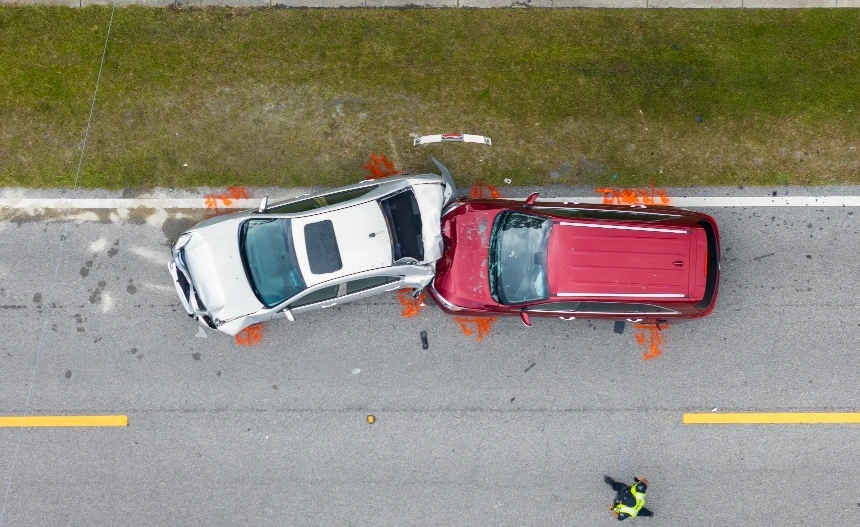
Rideshare services such as Uber and Lyft have become a major part of daily transportation throughout Boulder. Residents, students, tourists, and commuters regularly rely on rideshare vehicles for transportation between downtown Boulder, the University of Colorado campus, entertainment districts, restaurants, hotels, and surrounding communities. While these services provide convenience, rideshare accidents can create extremely complicated legal and insurance issues when serious injuries occur.
Victims injured in Uber or Lyft accidents are often left dealing with painful injuries, mounting medical bills, lost income, insurance confusion, and uncertainty about which insurance company is responsible for paying damages. Unlike ordinary car accident claims, rideshare cases frequently involve multiple insurance policies, corporate coverage questions, app-status disputes, and overlapping liability investigations that can quickly become overwhelming for injured individuals.
Boulder’s dense pedestrian traffic, bicycle activity, tourism, university congestion, nightlife, and heavy rideshare usage contribute to increased accident risks throughout the city. Uber and Lyft drivers frequently navigate crowded downtown areas, busy intersections, campus zones, mountain access routes, and commercial corridors while managing navigation apps, ride requests, passenger pickups, and traffic congestion simultaneously.
Many rideshare accidents occur because of distracted driving, fatigue, speeding, unsafe stops, failure to yield, or drivers attempting to quickly accept rides and complete trips under time pressure. In some situations, rideshare passengers are injured by another negligent driver while riding inside an Uber or Lyft vehicle. In others, rideshare drivers themselves may cause the crash through negligent driving behavior.
Serious rideshare accidents often leave victims suffering traumatic brain injuries, spinal injuries, fractures, internal injuries, emotional trauma, and long-term medical complications. Some individuals require extensive rehabilitation, surgeries, future medical treatment, and ongoing care after a severe collision.
Insurance companies representing drivers, rideshare corporations, and third parties may aggressively dispute liability after a crash occurs. Determining which insurance policy applies often depends on whether the driver was logged into the rideshare app, waiting for a ride request, actively transporting a passenger, or driving independently at the time of the collision.
At The Personal Injury Pros, we help rideshare accident victims throughout Boulder pursue compensation after serious Uber and Lyft collisions. Our legal team investigates rideshare accident claims, identifies available insurance coverage, handles complex liability disputes, and works to help clients recover compensation for medical expenses, lost wages, pain and suffering, and future damages.
Why Uber and Lyft Accident Cases Are More Complicated
Rideshare accident claims are often significantly more complex than standard car accident cases because multiple insurance policies and corporate coverage rules may apply.
The insurance coverage available after an Uber or Lyft accident often depends on the driver’s status at the time of the crash, including whether the driver was:
- Logged out of the app
- Logged into the app but waiting for a ride request
- En route to pick up a passenger
- Transporting an active passenger
Each phase may involve different insurance coverage levels and different parties responsible for handling the claim.
Rideshare companies and insurance carriers frequently dispute which policy applies after a serious accident, creating delays and confusion for injured victims.
Common Causes of Rideshare Accidents in Boulder
Many rideshare accidents throughout Boulder involve preventable negligent driving behavior.
Distracted Driving
Uber and Lyft drivers frequently interact with rideshare apps, GPS systems, ride notifications, and passenger communications while driving.
Speeding
Drivers attempting to complete trips quickly or accept more ride requests may engage in unsafe speeding behavior.
Fatigued Driving
Some rideshare drivers work long hours or drive late into the night, increasing fatigue-related accident risks.
Unsafe Stops and Pickups
Improper passenger pickups and drop-offs may create hazards near intersections, bike lanes, crosswalks, and busy streets.
Failure to Yield
Many rideshare accidents occur at intersections when drivers fail to yield properly to vehicles, cyclists, or pedestrians.
Aggressive Driving
Sudden lane changes, abrupt braking, tailgating, and unsafe turns may contribute to collisions.
Inexperienced or Unfamiliar Drivers
Drivers unfamiliar with Boulder’s roads, traffic patterns, university areas, or mountain routes may make dangerous driving decisions.
Impaired Driving
Alcohol, drugs, and prescription medications may impair rideshare drivers or third-party motorists involved in the crash.
Dangerous Areas for Uber and Lyft Accidents in Boulder
Certain areas throughout Boulder experience elevated rideshare accident risks because of congestion, nightlife activity, and heavy rideshare demand.
Downtown Boulder
Heavy traffic, nightlife activity, restaurants, tourism, and frequent passenger pickups contribute to rideshare accident risks in downtown areas.
Pearl Street District
The Pearl Street corridor experiences significant rideshare activity involving tourists, nightlife crowds, and congested traffic patterns.
University of Colorado Areas
Student traffic, rideshare demand, bicycles, scooters, and pedestrian congestion increase collision risks near campus.
Broadway
Broadway experiences substantial commuter and rideshare traffic throughout the day and evening.
Canyon Boulevard
Busy intersections and commercial activity create challenging traffic conditions for rideshare drivers.
Highway 36
Commuter traffic between Boulder and Denver often contributes to serious rideshare-related crashes.
Hotel and Entertainment Districts
Frequent passenger pickups, unfamiliar drivers, and distracted navigation may increase accident risks near hotels and entertainment venues.
Types of Uber and Lyft Accident Cases
Rideshare accidents may involve many different types of injury claims and liability scenarios.
Passenger Injury Claims
Passengers injured while riding inside an Uber or Lyft vehicle may have claims involving rideshare insurance coverage.
Third-Party Vehicle Accidents
Drivers and passengers in other vehicles may be injured by negligent rideshare drivers.
Pedestrian Accidents
Uber and Lyft vehicles frequently operate in crowded pedestrian areas where inattentive driving can lead to serious injuries.
Bicycle and Scooter Accidents
Cyclists and scooter riders are particularly vulnerable to distracted rideshare drivers making sudden stops or turns.
Multi-Vehicle Crashes
Heavy traffic congestion and distracted driving may lead to chain-reaction collisions involving multiple vehicles.
Hit-and-Run Rideshare Accidents
Some accidents involve uninsured or fleeing drivers in addition to rideshare liability issues.
Wrongful Death Cases
Fatal rideshare accidents may result in wrongful death claims involving surviving family members.
Serious Injuries in Rideshare Accidents
Victims injured in Uber and Lyft accidents may suffer serious injuries requiring extensive treatment and rehabilitation.
Traumatic Brain Injuries
Head trauma may permanently affect cognition, memory, emotional functioning, and neurological health.
Spinal Cord Injuries
Back and spinal injuries may lead to chronic pain, mobility limitations, paralysis, and permanent disability.
Fractures and Orthopedic Injuries
Victims commonly suffer broken bones involving the ribs, hips, legs, pelvis, arms, and spine.
Internal Injuries
Internal bleeding and organ damage may require emergency surgery and intensive medical care.
Neck and Back Injuries
Whiplash, disc injuries, and soft tissue trauma may create long-term physical limitations.
Emotional Trauma
Many rideshare accident victims experience anxiety, depression, and post-traumatic stress after serious collisions.
Catastrophic Injuries and Long-Term Consequences
Some rideshare accidents result in catastrophic injuries permanently affecting a victim’s ability to work, maintain independence, or perform normal daily activities.
Victims suffering catastrophic injuries may require:
- Long-term rehabilitation
- Multiple surgeries
- Future medical treatment
- Occupational therapy
- Physical therapy
- Mobility assistance devices
- Home modifications
- Ongoing pain management
- In-home medical support
Catastrophic injury claims frequently involve extensive future damages because the long-term effects of severe trauma may continue indefinitely.
Determining Liability in Uber and Lyft Accidents
Liability in rideshare accident cases can be complicated because several parties may potentially share responsibility.
Depending on the circumstances, liable parties may include:
- The Uber or Lyft driver
- Another negligent driver
- Commercial vehicle operators
- Vehicle manufacturers
- Government entities responsible for road maintenance
- Third-party contractors
Determining which insurance policy applies may require reviewing rideshare app records, trip status data, electronic communications, and driver activity logs.
Important Evidence in Rideshare Accident Cases
Strong evidence is often critical for establishing liability and identifying available insurance coverage.
Police Reports
Accident reports may contain important details regarding driver conduct, witness statements, and roadway conditions.
Rideshare App Data
Electronic rideshare records may establish whether the driver was actively using the app during the collision.
Driver Activity Logs
Trip records and ride history may become important evidence in disputed coverage cases.
Surveillance and Traffic Camera Footage
Nearby businesses and traffic systems may capture footage of the collision.
Witness Statements
Independent witnesses may provide valuable observations regarding how the accident occurred.
Medical Documentation
Medical records help establish injury severity, treatment requirements, and long-term complications.
Vehicle Damage Evidence
Damage patterns may help reconstruct the crash and determine impact severity.
Insurance Company Challenges After a Rideshare Accident
Insurance disputes are extremely common after Uber and Lyft accidents.
Insurance companies may attempt to:
- Deny coverage responsibility
- Shift blame between policies
- Minimize injuries
- Challenge medical treatment
- Delay investigations
- Offer low settlements
- Dispute app activity status
Victims may find themselves dealing with multiple insurers simultaneously while trying to recover from serious injuries.
Compensation Available After a Lyft or Uber Accident
Victims injured in rideshare accidents may be entitled to pursue compensation for both financial losses and personal suffering.
Potential compensation may include:
- Emergency medical expenses
- Hospital bills
- Surgery costs
- Rehabilitation and therapy
- Future medical care
- Lost wages
- Reduced future earning capacity
- Property damage
- Pain and suffering
- Emotional distress
- Disability-related expenses
- Loss of enjoyment of life
The value of a rideshare accident claim depends on injury severity, liability evidence, available insurance coverage, and the long-term impact on the victim’s life.
What To Do After an Uber or Lyft Accident in Boulder
The actions taken after a rideshare accident can significantly affect both recovery and the legal process.
Seek Immediate Medical Attention
Prompt medical evaluation helps identify injuries and creates important documentation.
Call Law Enforcement
An official police report may become critical evidence in determining liability and insurance coverage.
Document the Scene
Photographs of vehicle damage, rideshare information, roadway conditions, and injuries may help support the claim.
Obtain Driver and Witness Information
Collect rideshare driver information, insurance details, and witness contact information whenever possible.
Preserve App and Trip Information
Screenshots of ride receipts, app records, and trip details may become valuable evidence later.
Avoid Speaking With Insurance Adjusters Alone
Insurance representatives may attempt to obtain statements that can later be used to minimize compensation.
Contact a Rideshare Accident Lawyer
Early legal involvement may help preserve evidence and identify applicable insurance coverage.
Why Clients Choose The Personal Injury Pros
At The Personal Injury Pros, we understand the complex legal and insurance issues rideshare accident victims face after serious Uber and Lyft collisions throughout Boulder. Our legal team investigates rideshare claims thoroughly, identifies available insurance coverage, preserves critical evidence, and works to pursue compensation reflecting the full impact of our clients’ injuries.
We handle complex rideshare accident claims involving passengers, pedestrians, cyclists, catastrophic injuries, disputed liability, and wrongful death matters. Our firm is committed to protecting clients from insurance company tactics designed to minimize compensation after serious accidents.
We strive to provide professional legal representation, responsive communication, and dedicated advocacy throughout every stage of the claims process.
FAQ
What should I do after an Uber or Lyft accident in Boulder?
You should seek medical attention immediately, report the accident to law enforcement, preserve rideshare trip information, document the scene if possible, and avoid speaking with insurance companies before understanding your legal rights.
Who pays for injuries after a rideshare accident?
The available insurance coverage often depends on whether the rideshare driver was logged into the app, waiting for a ride request, picking up a passenger, or actively transporting someone during the accident.
Can Uber or Lyft passengers file injury claims?
Yes. Passengers injured during rideshare trips may be entitled to compensation for medical bills, lost income, pain and suffering, and other damages.
What if another driver caused the rideshare accident?
Victims may still have claims involving the at-fault driver’s insurance as well as potential rideshare coverage depending on the circumstances.
Why are rideshare accident claims more complicated?
Uber and Lyft accidents often involve multiple insurance policies, corporate coverage rules, electronic app data, and disputes regarding driver activity status.
What injuries are common in rideshare accidents?
Victims may suffer traumatic brain injuries, spinal injuries, fractures, internal injuries, soft tissue trauma, and emotional distress after serious collisions.
How much is a rideshare accident claim worth?
The value of the claim depends on injury severity, future medical needs, liability evidence, available insurance coverage, and the overall impact on the victim’s life.
Why should I hire a rideshare accident lawyer?
Rideshare accident claims often involve complicated insurance disputes and multiple liable parties. An attorney can help investigate the case, identify available coverage, and pursue fair compensation.
Speak With a Lyft & Uber Accident Lawyer in Boulder, CO
Rideshare accidents can leave victims facing painful injuries, financial stress, insurance confusion, and long-term medical challenges. Whether you were injured as a passenger, pedestrian, cyclist, or driver, understanding your legal rights after a serious Uber or Lyft accident is important.
At The Personal Injury Pros, we help rideshare accident victims throughout Boulder pursue compensation for medical expenses, lost wages, rehabilitation costs, pain and suffering, and future damages resulting from serious collisions.
If you or a loved one has been injured in an Uber or Lyft accident in Boulder, CO, contact The Personal Injury Pros today to discuss your case and learn how our legal team can help you move forward after a serious rideshare crash.