

Bicycle Accident Lawyer in Glendale, AZ
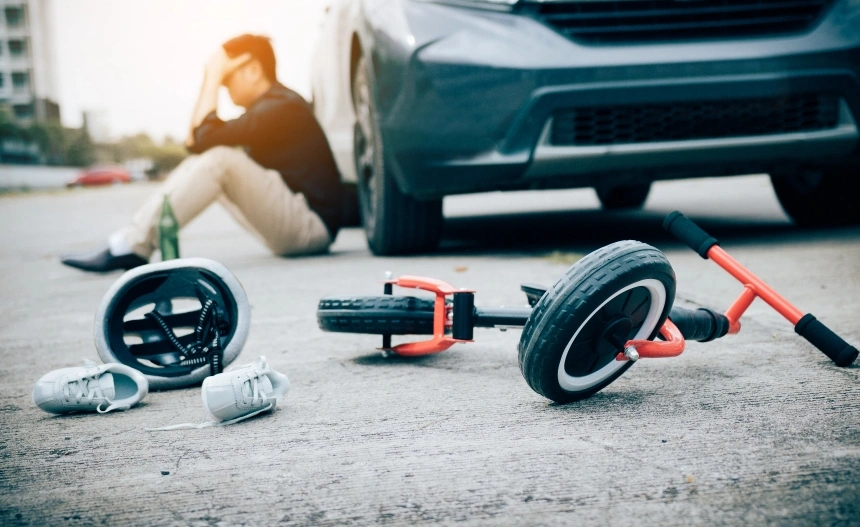
Cyclists face unique risks whenever they share roads with passenger vehicles, commercial traffic, rideshare drivers, and pedestrians. Even when bicyclists follow traffic laws and take safety precautions, they remain significantly more exposed than occupants of motor vehicles. Without the protection of seatbelts, airbags, or vehicle frames, even a relatively low-speed collision can produce serious injuries with long-term consequences.
Glendale continues to expand through residential growth, retail development, entertainment districts, and increasing traffic volume throughout the western Phoenix metropolitan region. Cyclists travel throughout neighborhoods, commercial corridors, parks, recreational areas, and heavily traveled roads each day. While bicycling serves as recreation, transportation, exercise, and commuting for many individuals, growing roadway activity also creates increased accident exposure.
Bicycle accidents frequently occur because drivers fail to notice cyclists, underestimate the space needed for safe passing, become distracted, or fail to yield at intersections. Parking areas, shopping districts, school zones, and high-traffic corridors can also create conditions where serious bicycle collisions occur unexpectedly.
Following a bicycle accident, injured individuals frequently face immediate medical concerns along with substantial financial and personal challenges. Treatment may involve emergency care, surgery, rehabilitation, physical therapy, and extended recovery periods. Serious injuries may affect employment, mobility, independence, and daily routines.
Insurance claims involving bicycle accidents can also become complicated. Drivers and insurance carriers sometimes attempt to shift blame onto cyclists by alleging unsafe riding behavior, visibility issues, or comparative fault. Establishing what occurred frequently requires detailed evidence and investigation.
The Personal Injury Pros assists injured cyclists throughout Glendale who are pursuing compensation following serious bicycle accidents and injury-related losses.
Common Causes of Bicycle Accidents in Glendale
Many bicycle accidents result from preventable actions or negligent driving behavior.
Common causes include:
Distracted Driving
Drivers who focus attention elsewhere may fail to recognize nearby cyclists.
Common distractions include:
- Text messaging
- Cell phone use
- Navigation systems
- In-vehicle technology
- Eating while driving
- Passenger interactions
Because bicycles occupy less visual space than larger vehicles, distracted drivers may overlook cyclists entirely.
Failure To Yield
Drivers frequently create dangerous situations by failing to yield during:
- Left turns
- Right turns
- Intersection crossings
- Driveway exits
- Parking lot movement
Failure-to-yield collisions can create severe impact conditions for bicyclists.
Unsafe Passing
Cyclists require sufficient roadway space.
Unsafe passing incidents may involve:
- Vehicles traveling too closely
- High-speed passing
- Lane crowding
- Sideswipe impacts
Dooring Accidents
Dooring accidents occur when occupants of parked vehicles open doors into a cyclist’s path.
These incidents frequently happen near:
- Commercial areas
- Street parking zones
- Restaurants
- Shopping districts
- Event venues
Driver Inattention At Intersections
Intersections often create elevated risks because of:
- Turning traffic
- Multiple traffic signals
- Visibility limitations
- Driver distraction
Impaired Driving
Alcohol and drug impairment frequently reduce:
- Reaction time
- Judgment
- Awareness
- Decision making
Dangerous Road Conditions
Hazards affecting cyclists may include:
- Uneven pavement
- Construction debris
- Potholes
- Poor road maintenance
- Drainage hazards
- Obstructions
High Traffic Areas and Roadways in Glendale Associated With Bicycle Accident Risks
While bicycle accidents can occur anywhere, certain roads and areas experience heavier traffic and greater exposure.
Glendale Avenue
Commercial activity and vehicle congestion can create challenges for cyclists sharing traffic lanes.
Bell Road
Bell Road frequently experiences substantial traffic volume and numerous turning movements.
Northern Avenue
Heavy commuter traffic and multiple intersections can increase collision exposure.
Grand Avenue
Roadway configuration and traffic patterns may create additional concerns for bicyclists.
Residential And School Areas
Cyclists frequently travel near:
- Neighborhood streets
- Schools
- Parks
- Recreational facilities
- Community centers
These areas often involve increased vehicle movement and pedestrian activity.
Entertainment District Areas
Events and large gatherings may create:
- Increased traffic volume
- Rideshare congestion
- Parking activity
- Distracted drivers
- Pedestrian movement
Common Types of Bicycle Accidents
Bicycle collisions occur under numerous circumstances.
Right Hook Accidents
These accidents occur when a driver turns right across a cyclist’s path.
Left-Turn Collisions
Drivers sometimes misjudge speed or fail to notice approaching cyclists.
Intersection Accidents
Intersections often involve:
- Visibility issues
- Traffic signal confusion
- Driver distraction
- Failure to yield
Sideswipe Collisions
Vehicles passing too closely may strike cyclists directly.
Rear-End Bicycle Accidents
Drivers may collide with cyclists from behind because of:
- Distraction
- Speed
- Visibility failures
Dooring Incidents
Opening vehicle doors unexpectedly can place cyclists directly into traffic or cause impact injuries.
Serious Injuries Frequently Caused By Bicycle Accidents
Bicyclists frequently suffer significant injuries because they have limited physical protection.
Common injuries include:
Traumatic Brain Injuries
Head injuries may produce:
- Memory problems
- Cognitive changes
- Headaches
- Concentration difficulties
- Emotional changes
Even helmet use may not eliminate brain injury risks.
Spinal Injuries
Spinal trauma can include:
- Herniated discs
- Nerve injuries
- Spinal cord damage
- Chronic pain
Broken Bones
Fractures commonly involve:
- Arms
- Wrists
- Legs
- Ribs
- Collarbones
Road Rash Injuries
Road rash may involve:
- Skin damage
- Infection risk
- Scarring
- Surgical treatment
Internal Injuries
Some internal injuries are not immediately obvious.
Examples include:
- Organ trauma
- Internal bleeding
- Chest injuries
Soft Tissue Injuries
Muscle and ligament injuries may create long-term discomfort and mobility limitations.
Catastrophic Bicycle Injuries And Long-Term Consequences
Some bicycle accidents produce life-changing injuries.
Catastrophic injuries may include:
Severe Brain Trauma
Serious brain injuries may affect:
- Memory
- Communication
- Cognitive functioning
- Daily independence
Paralysis
Spinal cord trauma can result in:
- Partial paralysis
- Complete paralysis
- Permanent limitations
Severe Orthopedic Trauma
Extensive fractures sometimes require:
- Multiple surgeries
- Rehabilitation
- Long-term care
Permanent Disability
Permanent injuries may require:
- Mobility devices
- Home modifications
- Ongoing treatment
- Future assistance
Insurance Company Challenges Following Bicycle Accidents
Insurance disputes frequently arise after bicycle collisions.
Common challenges include:
Blaming The Cyclist
Insurance companies sometimes argue:
- The cyclist was not visible
- Traffic laws were violated
- Unsafe riding occurred
- Comparative fault applies
Challenging Injury Severity
Insurers may question:
- Treatment necessity
- Injury extent
- Future medical needs
- Long-term effects
Early Settlement Offers
Initial settlement offers sometimes occur before full damages become clear.
Delays During Investigation
Extended investigations may create financial pressure for injured individuals.
Important Evidence In Bicycle Accident Cases
Strong evidence frequently becomes essential.
Important evidence may include:
Police Reports
Reports often contain:
- Initial observations
- Witness information
- Driver details
- Accident descriptions
Bicycle Damage Evidence
Damage patterns can sometimes help explain how a collision occurred.
Helmet And Equipment Evidence
Cycling equipment may preserve important impact information.
Photographs And Video
Images may document:
- Accident scenes
- Road conditions
- Vehicle damage
- Visible injuries
Surveillance Footage
Video from businesses, residences, or traffic systems may help establish accident circumstances.
Medical Records
Medical documentation frequently establishes:
- Diagnoses
- Treatment needs
- Injury progression
- future care requirements
Compensation Available Following Bicycle Accidents
Depending on circumstances, compensation may include:
Economic Damages
Financial losses may include:
- Medical bills
- Rehabilitation costs
- Lost wages
- Future treatment expenses
- Bicycle replacement costs
Non-Economic Damages
Personal losses may include:
- Physical pain
- Emotional distress
- Reduced quality of life
- Loss of enjoyment of activities
Long-Term Financial Damages
Severe injuries may involve:
- Future care costs
- Permanent disability
- Reduced earning capacity
What To Do After A Bicycle Accident In Glendale
Actions taken after an accident may affect both health and evidence preservation.
Seek Medical Attention
Some injuries may not immediately become noticeable.
Contact Law Enforcement
Police documentation frequently becomes important evidence.
Document The Scene
Take photographs involving:
- Bicycle damage
- Vehicle damage
- Road conditions
- Visible injuries
Preserve Equipment
Avoid repairing or discarding damaged bicycles and protective equipment.
Maintain Records
Keep:
- Medical records
- Insurance documents
- Receipts
- Communication records
Why Clients Seek Representation Following Bicycle Accidents
Bicycle accident claims frequently involve disputed facts and significant injury issues.
Individuals often seek assistance involving:
- Accident investigations
- Evidence preservation
- Insurance communications
- Liability analysis
- Medical documentation review
- Settlement negotiations
- Litigation preparation
Frequently Asked Questions
What if the driver says they never saw me?
Failure to see a bicyclist does not automatically eliminate driver responsibility. Many collisions involve issues concerning distraction, failure to yield, or inadequate attention.
Can I recover compensation if I was partially at fault?
Arizona follows comparative fault principles, which means compensation may still be available depending on circumstances.
What damages can be recovered after a bicycle accident?
Damages may include medical expenses, lost income, pain and suffering, rehabilitation costs, and future damages.
Does wearing a helmet affect my case?
Helmet use may become part of discussions regarding injuries, but circumstances vary significantly depending on the facts involved.
What if the accident happened in a parking lot?
Parking lot collisions can still create valid injury claims if negligence contributed to the accident.
How long do bicycle accident claims usually take?
Case timelines vary depending on injuries, insurance disputes, and investigation complexity.
Do all bicycle accident cases go to court?
No. Many claims resolve through settlement discussions, although some cases require litigation.
What evidence helps prove fault?
Police reports, photographs, witness statements, bicycle damage evidence, surveillance footage, and medical records frequently become important.

Practice Areas
Contact The Personal Injury Pros About Glendale Bicycle Accident Claims
Bicycle accidents often create serious physical, emotional, and financial consequences that extend far beyond the initial collision itself. Medical treatment, rehabilitation, lost wages, and insurance complications can place substantial pressure on injured cyclists and their families.
The Personal Injury Pros assists injured individuals throughout Glendale who are pursuing compensation following serious bicycle accidents and related injuries.