

Catastrophic Accident Lawyer in Glendale, AZ
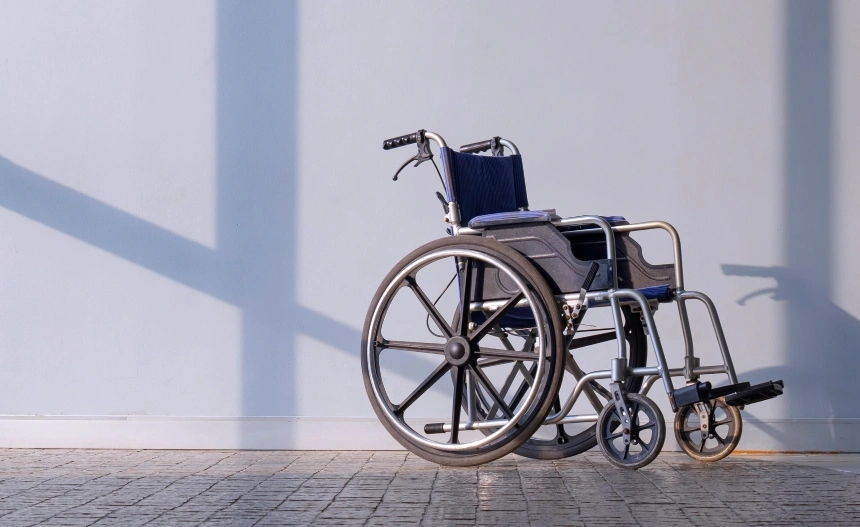
Catastrophic accidents frequently create consequences that extend far beyond immediate emergency treatment and recovery. Unlike injuries that heal within weeks or months, catastrophic injuries often permanently alter a person’s physical abilities, financial future, independence, and daily life. Victims and families frequently face enormous challenges involving long-term medical care, rehabilitation needs, emotional trauma, and major lifestyle changes.
Glendale continues to grow as a major destination within the Phoenix metropolitan area, with expanding residential communities, commercial activity, transportation corridors, entertainment districts, and regional traffic movement. The city experiences substantial activity involving passenger vehicles, commercial transportation, pedestrians, cyclists, construction activity, and large public events. Major transportation routes and heavily traveled areas can increase exposure to serious accidents capable of causing life-changing injuries. Glendale’s transportation system continues to expand to support traffic flow and mobility throughout the region. (glendaleaz.gov)
Catastrophic injuries may occur during many different types of accidents. High-speed vehicle collisions, truck crashes, motorcycle accidents, pedestrian incidents, workplace events, dangerous property conditions, and severe falls may all create permanent injuries requiring lifelong support.
Following a catastrophic accident, medical treatment often begins immediately and may continue indefinitely. Individuals sometimes require multiple surgeries, extended hospitalization, specialist care, physical rehabilitation, adaptive equipment, and future treatment planning. Families may also face significant emotional and financial pressure as they adapt to new realities.
Insurance companies frequently challenge catastrophic injury claims aggressively because of the substantial financial exposure involved. Disputes may arise regarding future medical care, disability issues, earning capacity losses, treatment necessity, and long-term damages.
The Personal Injury Pros assists individuals throughout Glendale who are pursuing compensation following catastrophic accidents and severe injury events.
What Is Considered A Catastrophic Injury?
Catastrophic injuries generally involve severe physical harm resulting in permanent or long-term consequences.
These injuries often affect:
- Mobility
- Independence
- Employment ability
- Daily activities
- Cognitive functioning
- Future medical needs
Catastrophic injuries frequently require extensive medical treatment and ongoing care.
Common Causes Of Catastrophic Accidents In Glendale
Serious injuries may arise from many different accident circumstances.
Car Accidents
High-impact vehicle collisions often create catastrophic trauma involving:
- High-speed crashes
- Head-on collisions
- Multi-vehicle accidents
- Side-impact collisions
- Highway crashes
Truck Accidents
Commercial vehicle accidents frequently involve substantial impact forces because of vehicle size differences.
Truck accidents may involve:
- Driver fatigue
- Equipment failures
- Improper cargo loading
- Hours-of-service violations
Motorcycle Accidents
Motorcycle riders have limited physical protection and frequently sustain severe injuries during impact events.
Pedestrian Accidents
Pedestrians remain highly vulnerable because they lack structural protection.
Slip And Fall Accidents
Severe falls can create devastating consequences involving:
- Head injuries
- spinal trauma
- fractures
- internal injuries
Premises Liability Accidents
Unsafe property conditions may create catastrophic injury risks involving:
- Structural failures
- falling objects
- unsafe stairways
- dangerous walkways
Construction And Industrial Accidents
Serious workplace incidents may involve:
- Heavy equipment
- falling materials
- machinery accidents
- elevated work areas
Major Roads And High Traffic Areas Associated With Severe Accident Risks
Catastrophic accidents can occur throughout Glendale, but heavily traveled transportation routes may create elevated exposure.
Loop 101
Loop 101 experiences substantial commuter and regional traffic movement.
Higher traffic volume may create increased risks involving:
- High-speed collisions
- Multi-vehicle crashes
- commercial vehicle traffic
Grand Avenue
Grand Avenue serves as an important regional transportation corridor with unique traffic patterns and heavy movement. Transportation studies continue identifying operational and safety improvements along portions of the corridor. (Burgess & Niple)
Bell Road
Bell Road is among the busiest arterial corridors in the region and carries substantial daily traffic volume across multiple jurisdictions. (aztech.org)
Potential risks may involve:
- Heavy congestion
- Multiple intersections
- Aggressive driving
- Commercial traffic
Northern Parkway
Northern Parkway serves as an expanding high-capacity transportation corridor designed to support regional traffic movement and growth. (Maricopa County)
Entertainment And Event District Areas
Major venues and large public gatherings frequently increase:
- Traffic congestion
- Rideshare activity
- Pedestrian movement
- Nighttime driving activity
Common Types Of Catastrophic Injuries
Catastrophic injuries frequently create permanent changes affecting nearly every aspect of life.
Traumatic Brain Injuries
Traumatic brain injuries may affect:
- Memory
- Cognitive functioning
- Speech
- Emotional regulation
- Concentration
- Judgment
Brain trauma may range from severe concussion injuries to permanent neurological damage.
Spinal Cord Injuries
Spinal injuries frequently involve:
- Nerve damage
- Reduced mobility
- Partial paralysis
- Complete paralysis
Some spinal injuries create permanent limitations requiring lifelong assistance.
Severe Burn Injuries
Burn trauma may involve:
- Skin graft procedures
- Infection risks
- nerve damage
- extensive scarring
- multiple surgeries
Amputations
Loss of limbs often creates substantial physical and emotional challenges.
Long-term issues may involve:
- Prosthetic devices
- rehabilitation
- mobility limitations
- occupational changes
Severe Orthopedic Trauma
Examples include:
- Multiple fractures
- crush injuries
- pelvic injuries
- joint damage
Permanent Neurological Damage
Neurological injuries sometimes affect:
- Movement
- sensation
- speech
- cognitive functioning
Long-Term Consequences Following Catastrophic Injuries
Catastrophic accidents frequently create consequences extending far beyond initial hospitalization.
Future Medical Treatment
Long-term care may involve:
- Multiple surgeries
- Specialist treatment
- rehabilitation
- physical therapy
- pain management
Life Care Planning
Some individuals require ongoing planning involving:
- Medical equipment
- treatment schedules
- home care assistance
- adaptive services
Home Modifications
Severe injuries sometimes require:
- Wheelchair ramps
- accessibility renovations
- bathroom modifications
- specialized equipment
Reduced Earning Capacity
Permanent injuries may affect:
- Career advancement
- future employment opportunities
- work responsibilities
Emotional And Psychological Effects
Many individuals experience:
- Anxiety
- depression
- emotional stress
- trauma-related symptoms
Insurance Challenges In Catastrophic Injury Cases
Catastrophic injury claims often involve significant financial exposure, which can create substantial insurance disputes.
Challenging Future Medical Needs
Insurance companies sometimes question:
- Long-term treatment requirements
- future surgeries
- rehabilitation needs
- life care planning
Disputing Permanent Disability
Insurers sometimes argue:
- Recovery may improve
- limitations are overstated
- future care projections are excessive
Challenging Lost Earnings Claims
Questions sometimes arise concerning:
- future employment ability
- career progression
- earning capacity losses
Early Settlement Pressure
Early settlement offers may occur before future damages become fully understood.
Important Evidence In Catastrophic Injury Claims
Strong evidence frequently becomes essential.
Medical Documentation
Records frequently establish:
- Diagnoses
- treatment history
- specialist opinions
- future care needs
Diagnostic Imaging
Medical imaging sometimes includes:
- MRIs
- CT scans
- X-rays
Expert Opinions
Complex claims sometimes require:
- Medical specialists
- rehabilitation experts
- vocational experts
- life care planners
Employment Records
Documentation may establish:
- income history
- work limitations
- future earning losses
Accident Reconstruction Evidence
Serious accidents sometimes require detailed analysis involving:
- impact conditions
- vehicle movement
- liability issues
Compensation Available Following Catastrophic Accidents
Compensation varies depending upon injuries and circumstances.
Economic Damages
Financial losses may include:
- Emergency treatment
- hospital expenses
- rehabilitation costs
- future medical care
- lost income
Non-Economic Damages
Personal losses may include:
- Physical pain
- emotional distress
- reduced quality of life
- loss of enjoyment of activities
Long-Term Financial Damages
Severe injury claims may involve:
- Permanent disability
- reduced earning capacity
- future treatment expenses
- life care costs
Frequently Asked Questions
What qualifies as a catastrophic injury?
Catastrophic injuries generally involve severe trauma creating long-term or permanent consequences affecting daily life and future functioning.
Can catastrophic injuries occur outside vehicle accidents?
Yes. Serious injuries may result from falls, dangerous property conditions, workplace accidents, pedestrian incidents, and many other events.
Why are catastrophic injury claims different?
These claims often involve extensive future damages, ongoing medical care, and permanent life changes.
What damages may be available?
Potential damages may include medical expenses, lost wages, future care costs, pain and suffering, and long-term losses.
Can future medical treatment be included?
Yes. Future treatment needs frequently become important components of catastrophic injury claims.
Do catastrophic injury claims go to court?
Many claims resolve through negotiation, although some require litigation.
How long do catastrophic injury cases usually take?
Case timelines vary significantly depending upon injury severity, evidence, and insurance disputes.
What evidence helps establish damages?
Medical records, expert opinions, imaging studies, employment records, and treatment documentation frequently become important.

Practice Areas
Contact The Personal Injury Pros About Glendale Catastrophic Accident Claims
Catastrophic accidents frequently affect every part of a person’s life. Medical treatment, rehabilitation, long-term care planning, lost earning ability, and permanent limitations can create enormous challenges for victims and their families.
The Personal Injury Pros assists individuals throughout Glendale who are pursuing compensation following severe, life-altering injuries and catastrophic accident events.