

Drunk Driver Accident Lawyer in Glendale, AZ
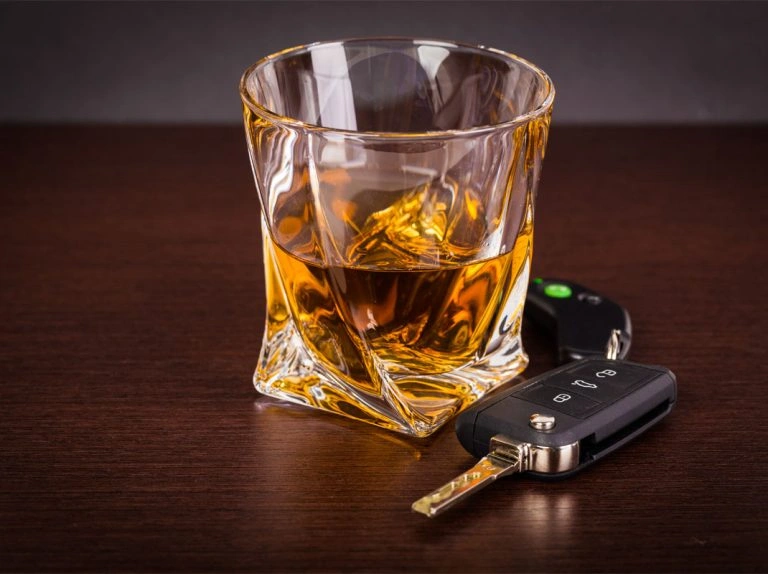
A collision involving an impaired driver can leave victims facing devastating physical, emotional, and financial consequences. Drunk driving accidents often involve violent impacts, high speeds, delayed reaction times, and reckless conduct that significantly increase the risk of severe injuries and fatalities. Unlike many other vehicle collisions, impaired driving accidents frequently involve conduct that could have been prevented entirely.
Glendale experiences substantial traffic movement throughout the year because of residential growth, commercial activity, sporting venues, entertainment districts, and regional travel within the Phoenix metropolitan area. Areas surrounding restaurants, nightlife destinations, event venues, shopping districts, and major roadways may experience increased traffic during evenings, weekends, and major public events. While most drivers travel safely, impaired motorists can create extremely dangerous conditions for everyone sharing the roadway.
Victims injured by drunk drivers frequently experience challenges extending well beyond immediate medical treatment. Emergency care, surgeries, rehabilitation, lost wages, emotional trauma, and uncertainty regarding long-term recovery can quickly place pressure on individuals and families. Serious injuries sometimes create permanent consequences affecting mobility, employment, and overall quality of life.
Although criminal charges may arise following a drunk driving arrest, criminal proceedings and personal injury claims serve different purposes. Criminal matters focus on violations of law and penalties against the driver. Civil claims generally focus on recovering financial compensation for injuries and losses suffered by victims.
Insurance companies may still dispute liability, injury severity, or damages despite evidence of impaired driving. Building a strong claim often requires careful investigation and evidence collection.
The Personal Injury Pros assists individuals throughout Glendale who are pursuing compensation following serious drunk driving accidents and related injuries.
How Drunk Driving Accidents Differ From Other Vehicle Collisions
Many ordinary vehicle collisions involve mistakes, distraction, or poor judgment. Impaired driving accidents frequently involve conduct creating heightened danger for everyone on the roadway.
Alcohol and drugs may affect:
- Reaction time
- Judgment
- Coordination
- Decision making
- Awareness
- Vision
- Speed perception
- Distance perception
Impaired drivers frequently create accident scenarios involving:
- Wrong-way driving
- High-speed collisions
- Failure to brake
- Running traffic signals
- Lane departures
- Rear-end impacts
- Head-on collisions
Because of these factors, drunk driving crashes frequently result in severe injuries.
Common Causes of Drunk Driving Accidents in Glendale
Although alcohol impairment creates substantial risk by itself, additional dangerous behaviors frequently occur simultaneously.
Excessive Speed
Impaired drivers often travel at unsafe speeds.
Speed-related risks include:
- Reduced reaction time
- Increased impact force
- Greater loss of control
- Increased injury severity
Wrong-Way Driving
Wrong-way crashes frequently produce catastrophic consequences because vehicles approach each other at combined impact speeds.
Failure To Obey Traffic Signals
Impaired drivers may:
- Ignore stop signs
- Run red lights
- Fail to yield
- Miss traffic signals
Driver Fatigue Combined With Alcohol
Alcohol impairment and fatigue together can significantly reduce driving ability.
Reckless Driving Behavior
Dangerous conduct may include:
- Swerving
- Aggressive driving
- Sudden lane changes
- Tailgating
- Excessive speeding
Areas in Glendale Where Impaired Driving Risks May Increase
Impaired driving accidents can occur anywhere, but some locations experience heavier traffic and increased activity during evenings and weekends.
Glendale Avenue
Restaurants, retail activity, and traffic volume can increase roadway congestion.
Bell Road
Heavy traffic movement and numerous intersections may increase accident exposure.
Loop 101
High-speed traffic and merging activity can create dangerous conditions when impaired drivers are involved.
Grand Avenue
Traffic patterns and vehicle volume may contribute to collision risks.
Entertainment And Sports District Areas
Large public events and nightlife activity may increase:
- Rideshare traffic
- Pedestrian movement
- Congestion
- Late-night driving activity
Commercial Areas And Parking Facilities
Parking lots and surrounding roads sometimes experience impaired driving incidents involving:
- Vehicles backing unexpectedly
- Failure to yield
- Reduced visibility
- Driver inattention
Common Types of Drunk Driving Accidents
Impaired drivers frequently create specific accident patterns.
Head-On Collisions
Head-on impacts often produce catastrophic injuries because of combined force during impact.
Rear-End Collisions
Alcohol impairment may delay reaction times and braking ability.
Rear-end crashes frequently occur in:
- Traffic congestion
- Stop-and-go traffic
- Intersections
T-Bone Accidents
Side-impact collisions commonly occur when impaired drivers:
- Run traffic signals
- Fail to stop
- Ignore right-of-way rules
Multi-Vehicle Accidents
Loss of control may create chain-reaction collisions involving several vehicles.
Pedestrian And Bicycle Accidents
Impaired drivers may fail to recognize:
- Crosswalks
- Cyclists
- Pedestrians
- Traffic controls
Serious Injuries Frequently Seen In Drunk Driving Accidents
Because many impaired driving crashes occur at higher speeds or involve reckless conduct, injuries may become severe.
Common injuries include:
Traumatic Brain Injuries
Brain trauma may cause:
- Memory problems
- Cognitive changes
- Speech difficulties
- Concentration issues
- Emotional symptoms
Neck And Back Injuries
Common injuries include:
- Herniated discs
- Nerve damage
- Soft tissue injuries
- Chronic pain
Broken Bones
Fractures frequently involve:
- Arms
- Legs
- Ribs
- Pelvis
- Wrists
Internal Injuries
Internal trauma may include:
- Organ damage
- Internal bleeding
- Chest injuries
Severe Soft Tissue Injuries
Damage to muscles and connective tissue may produce long-term pain.
Catastrophic Injuries Following Impaired Driving Collisions
Certain drunk driving accidents create permanent life-changing injuries.
Spinal Cord Trauma
Spinal injuries can result in:
- Partial paralysis
- Complete paralysis
- Long-term mobility limitations
Severe Brain Injuries
Severe head trauma may affect:
- Communication
- Memory
- Independence
- Cognitive functioning
Amputations
Extensive trauma sometimes creates injuries requiring surgical amputation.
Permanent Disabilities
Some injuries may permanently alter a person’s ability to work and function independently.
Long-term needs may include:
- Rehabilitation
- Home modifications
- Assistive equipment
- Future medical care
Criminal Charges Versus Civil Injury Claims
Many individuals assume that criminal proceedings automatically resolve all issues following a drunk driving accident.
However, criminal and civil matters generally address different concerns.
Criminal Cases
Criminal proceedings may involve:
- DUI charges
- Fines
- Probation
- License suspension
- Jail penalties
Civil Injury Claims
Civil claims frequently focus on:
- Medical expenses
- Lost wages
- Pain and suffering
- Future treatment costs
- Long-term damages
A criminal case does not automatically provide compensation for injury-related losses.
Important Evidence In Drunk Driving Accident Cases
Evidence frequently becomes critical when establishing liability and damages.
Important evidence may include:
Police Reports
Reports may contain:
- Officer observations
- Witness information
- Driver statements
- Accident details
Blood Or Breath Testing Information
Alcohol testing results may become important evidence.
Field Sobriety Information
Investigative observations sometimes become relevant during claims.
Photographs And Video
Images may preserve:
- Vehicle damage
- Accident scenes
- Road conditions
- Visible injuries
Witness Statements
Witness observations may help establish:
- Driving behavior
- Signs of impairment
- Events leading to the collision
Medical Documentation
Medical records frequently establish:
- Diagnoses
- Treatment needs
- Long-term effects
Compensation Available Following Drunk Driving Accidents
Depending upon the circumstances, compensation may include:
Economic Damages
Financial losses may involve:
- Emergency treatment
- Hospital bills
- Rehabilitation
- Lost wages
- Future medical expenses
Non-Economic Damages
Personal losses may include:
- Physical pain
- Emotional distress
- Reduced quality of life
- Loss of enjoyment of activities
Long-Term Damages
Serious injuries may create:
- Reduced earning capacity
- Permanent disability
- Future treatment costs
What To Do After A Drunk Driving Accident In Glendale
The steps taken after an accident may help preserve evidence and protect health.
Seek Medical Attention
Some injuries may not immediately become obvious.
Contact Law Enforcement
Police investigations frequently become important evidence in impaired driving cases.
Document Conditions
Take photographs involving:
- Vehicle damage
- Road conditions
- Injuries
- Surrounding conditions
Preserve Records
Keep:
- Medical records
- Insurance information
- Receipts
- Communication records
Avoid Premature Insurance Statements
Early statements sometimes create complications during claims.
Frequently Asked Questions
Can I still pursue compensation if the impaired driver faces criminal charges?
Yes. Criminal proceedings and civil injury claims generally involve different objectives.
What if the driver was arrested after the accident?
An arrest may become relevant evidence, but liability and damages still often require detailed review.
What compensation may be available after a drunk driving accident?
Compensation may include medical expenses, lost wages, rehabilitation costs, pain and suffering, and future damages.
What if multiple vehicles were involved?
Multi-vehicle accidents often require more extensive investigation because fault and damages may become disputed.
What if symptoms appear later?
Some injuries become noticeable only after adrenaline levels decrease or recovery progresses.
How long do drunk driving injury claims take?
Case timelines vary depending on injuries, evidence, and insurance disputes.
Do all drunk driving injury claims go to court?
No. Many cases resolve through negotiation, although some require litigation.
What evidence helps establish impairment?
Police reports, alcohol testing information, witness observations, surveillance footage, and investigative findings frequently become important.

Practice Areas
Contact The Personal Injury Pros About Glendale Drunk Driving Accident Claims
Drunk driving accidents frequently leave victims dealing with serious injuries, financial pressure, and long-term uncertainty regarding recovery. Medical treatment, lost wages, emotional trauma, and insurance disputes can create significant challenges for individuals and families.
The Personal Injury Pros assists individuals throughout Glendale who are pursuing compensation following serious impaired driving accidents and related injuries.